
Guide
Hormone therapy, explained.
Hormones are not a guessing game. Whether it is low testosterone in men or perimenopause and menopause in women, the right approach starts with labs and a clinical picture, then treats and monitors carefully. Here is how it works, plus every guide we have written.
In short
Hormone therapy restores hormones that decline with age or change with menopause, to address energy, recovery, mood, sleep, and metabolic health. At Seth Premier Medical in Tampa, care starts with labs and a clinical evaluation, with dosing monitored over time by Dr. Rishi Seth, for both men (TRT) and women (HRT and menopause care).
TRT for men
Testosterone replacement therapy starts with a workup, not a prescription. We look at symptoms like low energy, reduced libido, poor recovery, and mood changes alongside confirmed lab values, then dose conservatively with regular monitoring.
TRT is not right for everyone, and we are candid when the labs and symptoms do not point that way. When it is warranted, the goal is to treat the person, not a single number on a report.
HRT and menopause care for women
Perimenopause and menopause bring changes in energy, sleep, mood, and metabolism that deserve a real evaluation rather than being dismissed. We build an individualized plan around your symptoms, labs, and overall health.
We discuss the options and tradeoffs honestly, including bioidentical hormones, and adjust over time rather than handing you a fixed protocol. Women can also have low testosterone that affects energy and libido, which we evaluate too.
From the podcast
Prefer to listen? Dr. Seth covers it on the podcast.
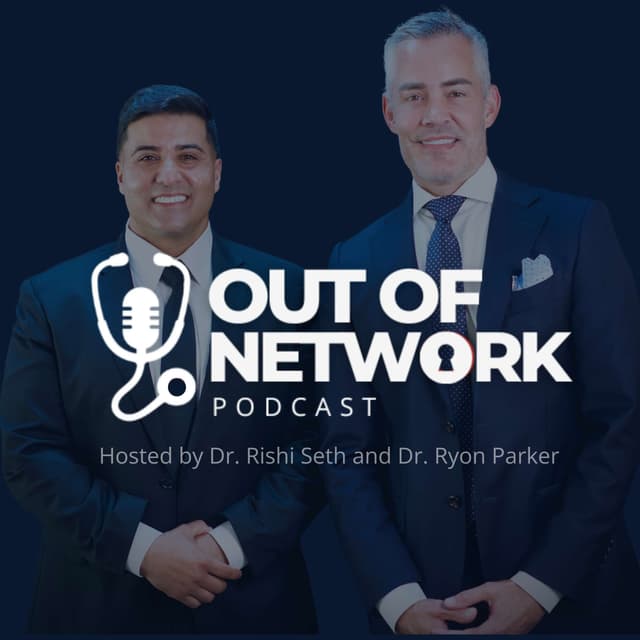
Out of Network Podcast · Ep 15
HRT Black Box Warning Removed: What Women Need to Know
In this guide
Read deeper.

Signs You Might Need Hormone Replacement Therapy
Common signs you might need hormone replacement therapy in men and women, why labs plus the clinical picture matter, and when to get a Tampa hormone evaluation.
Read more
TRT in Tampa: How Testosterone Therapy Works
How TRT works in Tampa: what testosterone therapy is, the symptoms-plus-labs evaluation, monitored dosing, what to expect over time, and who is a candidate.
Read moreLow Testosterone in Men: Symptoms, Causes, and Options
The common symptoms and causes of low testosterone in men, when to get tested, and the options including physician-supervised TRT in Tampa.
Read moreMenopause and Perimenopause Care in Tampa
Menopause treatment in Tampa: common symptoms, the range of options including hormone therapy where appropriate, and individualized, monitored care.
Read more